
TL;DR
- Fogged or frosted windows on cold mornings mean the air inside is holding more moisture than your coldest surfaces can handle.
- Keep indoor humidity around 30–35% on very cold days (never above 50%), run bathroom and kitchen fans, and keep air moving across the glass.
- Wipe sills and frames dry every morning, and clean any black spots with warm water and unscented dish soap before they spread.
- Make window tracks, bathroom grout and fans part of your regular cleaning so mould never gets a foothold this winter.
Window condensation Ottawa homeowners notice in November is usually the first sign of a long, damp winter indoors. The first truly cold night arrives, and by morning the bottom of every window is fogged, beaded with water, or even edged with frost. It looks harmless, but that water runs down onto sills and frames every single day until spring, and that is exactly how black mould, peeling paint and soft, stained wood get started.
The good news is that most window condensation is a housekeeping problem, not a construction problem. This guide explains why it happens, how to control indoor humidity, a simple cleaning routine for sills and tracks, how to safely clean small patches of mould, and when to call in help.
Table of Contents
Why Window Condensation Ottawa Homes Get Is Worse in Winter
Warm air holds more water vapour than cold air. When the warm, moist air inside your house touches a cold surface, it cools down, can no longer hold all that moisture, and drops it as water or frost. In winter the coldest surface in most homes is the window glass, especially the bottom few centimetres and the edges near the frame.
Ottawa is a textbook case. January nights regularly drop below −20°C, while we keep our homes at a cozy 20°C or more. A few local factors make it worse:
- Sealed-up houses. From November to March the windows stay shut, so the moisture from cooking, showers, laundry, houseplants and simply breathing has nowhere to go.
- Older windows. Many homes in neighbourhoods like Alta Vista, Vanier and Westboro still have original aluminum or older double-pane units with cold frames and edges.
- Newer, tighter homes. Recent builds in Kanata, Barrhaven and Orléans are very airtight. That is great for heating bills, but if the heat recovery ventilator (HRV) is turned off or the filters are clogged, humidity builds up quickly.
Is Window Condensation a Problem?
A little fog in the corners on the coldest mornings that clears by mid-morning is normal. It becomes a problem when water is running down the glass, pooling on the sill, or showing up day after day. Natural Resources Canada explains that condensation can form on the glass, on frames and sashes, and near the weather seals, and that the risk increases as the weather gets colder or indoor humidity rises.
Here is what daily condensation can lead to if nobody wipes it up:
- Mould on sills, frames and caulking. Black or grey spots usually show up first in the corners of the sill and along the rubber seals.
- Damaged wood and drywall. Wooden sills swell, paint peels and the drywall below the window can stain or soften.
- Musty smells. Mould behind blinds and curtains can bother people with asthma or allergies.
One important exception: if the fog is between the panes of a sealed double- or triple-pane window, the seal has failed. No amount of cleaning or humidity control will fix that, and the glass unit will need to be replaced.
How to Reduce Window Condensation: Ottawa Winter Edition
Wiping the water away treats the symptom. To reduce window condensation Ottawa households need to lower the amount of moisture in the air and keep warm air moving across the glass. These steps make the biggest difference.
1. Watch your indoor humidity
Buy an inexpensive digital hygrometer and check it in a few rooms. Health guidance generally recommends keeping indoor humidity between 30% and 50%, and on very cold Ottawa days you may need to aim for the lower end, around 30–35%, to keep windows clear. Ottawa Public Health recommends keeping relative humidity below 50 per cent to prevent mould in your home.
2. Turn down the humidifier when it gets cold
If you have a furnace humidifier, lower the setting as outdoor temperatures drop. Many furnace humidistats have an outdoor-temperature chart printed on the dial. If your windows are dripping, the humidifier is set too high for the weather.
3. Use your fans every time
- Run the bathroom exhaust fan during every shower and for at least 30 minutes afterward.
- Use the range hood whenever you boil, simmer or fry, and make sure it vents outside instead of recirculating.
- Check that the dryer vents outdoors and that the lint trap and vent hose are clean.
4. Keep air moving across the glass
Heating vents and baseboard heaters sit under windows for a reason: warm air washing over the glass keeps it warmer. Keep vents clear of furniture, open blinds and curtains during the day, and leave interior doors open where you can. Heavy drapes closed all night trap cold air against the window, which is why bedrooms often have the worst condensation.
5. Run the HRV and change its filters
If your home has an HRV or ERV, leave it on through the winter and clean or replace its filters as the manufacturer recommends.
6. Add a temporary layer to problem windows
For older or drafty windows, a shrink-film window kit from the hardware store adds an insulating layer and keeps the inside surface warmer through the worst cold snaps.
A Winter Window Cleaning Routine That Stops Mould
Even with good humidity control, some condensation is almost inevitable during an Ottawa cold snap. A simple cleaning routine keeps that moisture from turning into mould.
Every morning in cold weather
- Wipe the glass and sill dry with a microfibre cloth or a small squeegee, starting with the windows that fog the most (usually bedrooms and the kitchen).
- Pull blinds up or open curtains so the glass can warm up and dry.
Once a week
- Vacuum window tracks with a crevice tool, then wipe them with warm, soapy water and dry them completely.
- Wipe frames, sashes and the rubber gaskets, where mould tends to start.
- Dust or wipe blinds, especially the lower slats that sit against cold glass.
- Check the corners of the sill for any grey or black spots and deal with them right away.
Once a month
- Wash curtains and sheers that hang close to the glass. Fabric that stays damp all winter can grow mould and mildew.
- Inspect the caulking around windows inside and out. Cracked or blackened caulking should be removed and replaced.
How to Clean Mould off Window Sills and Frames
Small spots of mould on a sill, frame or window gasket are common in Ottawa homes by mid-winter, and you can usually handle them yourself. Here is a safe approach for small areas:
- Protect yourself. Wear rubber gloves and safety glasses, and consider a disposable N95 mask if you are sensitive. Open the window a crack or run a fan for ventilation.
- Clean, do not just bleach. Scrub the area with warm water and an unscented dish detergent, using a soft brush or an old toothbrush in corners and tracks. Bleach can whiten mould without removing it from porous materials, and it should never be mixed with other cleaners.
- Rinse and dry thoroughly. Wipe with a clean damp cloth, then dry completely. Moisture left behind is what lets mould return.
- Bag the cloths. Throw away disposable cloths or wash reusable ones in hot water right away.
- Replace damaged caulking. If mould is growing inside silicone or caulking, it will not clean out. Cut it away, let the area dry, and re-caulk.
If the mould covers a large area, comes back quickly after cleaning, or appears on drywall, under flooring or in the basement, the moisture problem is bigger than a window. That is when a mould assessment or remediation specialist is the right call. Our guide to basement flood cleanup in Ottawa covers the water-damage side of things.
Other Winter Moisture Hot Spots to Clean
Windows are where you see condensation first, but the same moisture affects other rooms too. Add these to your winter cleaning list:
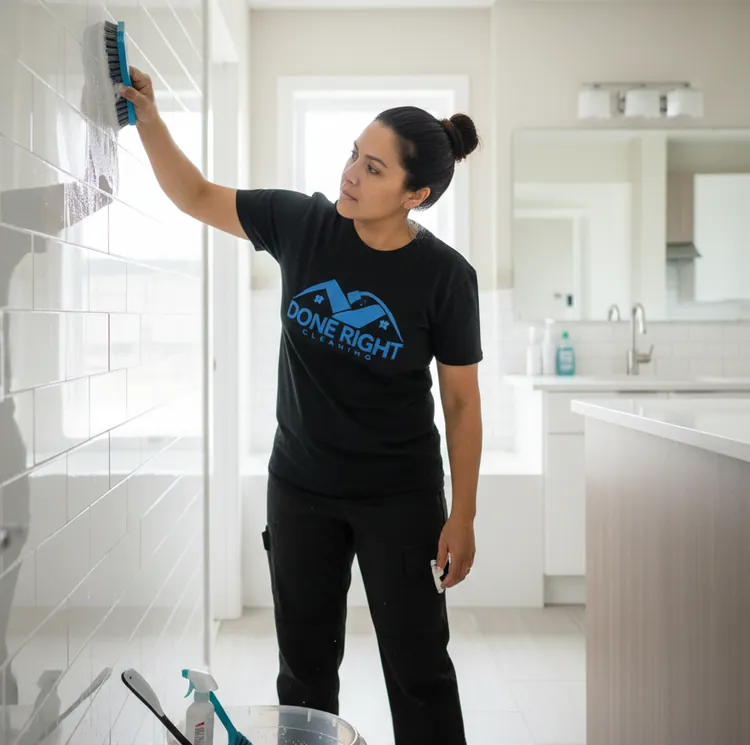
- Bathrooms. Grout lines, shower corners, silicone around the tub and the ceiling above the shower are mould magnets in winter. Our bathroom cleaning service scrubs tile, grout and fixtures so mildew does not get a head start.
- Exterior walls behind furniture. Pull dressers, beds and sofas a few centimetres away from outside walls so air can circulate, and wipe the wall if you find dampness.
- Entryways. Wet boots and salty slush add a surprising amount of moisture. Use a boot tray and wipe up puddles daily.
When to Call a Professional
The weekly and monthly jobs are easy to let slide when it is dark at 4:30 p.m. and the holidays are coming. Our deep cleaning service in Ottawa includes the detailed work that keeps moisture-related grime under control: window sills and tracks, baseboards, door frames, bathroom grout and exhaust fan covers. Many clients then move to our regular cleaning service, with weekly or bi-weekly visits through the winter so sills and bathrooms never get a chance to build up mould.
We clean homes right across the city, including house cleaning in Kanata and house cleaning in Orléans. Our cleaners are bonded, insured and background-checked, and they bring their own professional supplies.
Be aware that cleaners handle surface cleaning. Call a contractor or window specialist if you see fog between panes, rotting frames, water stains on the ceiling or walls, or mould that keeps coming back after cleaning.
Window Condensation Ottawa FAQ
Why are my windows wet on the inside every morning?
The warm, moist air in your home is cooling against the cold glass overnight and dropping its moisture. It usually means indoor humidity is too high for the outdoor temperature. Lower the humidifier, run bathroom and kitchen fans, keep the HRV on, and open curtains so warm air reaches the glass.
What humidity level should I keep my Ottawa home at in winter?
Aim for between 30% and 50%, and closer to 30–35% during very cold spells. If your windows are dripping, your humidity is too high for that day’s temperature, even if the number looks reasonable.
Is condensation on windows a sign of mould?
Not by itself, but it creates the conditions mould needs. If water sits on sills and frames day after day, mould often appears within a few weeks. Wiping windows dry each morning and cleaning tracks weekly prevents most problems.
Should I use bleach to clean mould on window sills?
For small areas, warm water and unscented dish detergent work well and are safer. Scrub, rinse, and dry completely. Never mix bleach with other cleaning products, and replace caulking that has mould growing inside it.
Can a cleaning service help with window condensation and mould?
Yes, for routine prevention. A deep clean takes care of window tracks, sills, frames, bathroom grout and fans, and regular visits keep them clean all winter. Large or recurring mould problems need a mould remediation specialist to find and fix the moisture source.
Keep Your Home Dry, Clean and Mould-Free
Window condensation Ottawa homes get every winter does not have to turn into mouldy sills and stained walls. Keep humidity in check, keep air moving across the glass, wipe windows dry on cold mornings, and stay on top of tracks, frames and bathrooms. If you would rather spend the season enjoying the holidays than scrubbing window corners, get a free quote from Done Right Cleaning. Tell us about your home and we will put together a deep clean or a regular winter cleaning plan that keeps it fresh until spring.